What is a Pipe Sleeve? A Complete Guide

What is a Pipe Sleeve? A Complete Guide
November 12, 2025
The pipe or duct system of your residential or commercial property needs special care if it is to last for a long time and retain its functionality. Unfortunately, most pipes, no matter whether they are underground or not, are prone to wear and tear, corrosion, and leaks.
This not only reduces the efficiency of the piping systems but also poses many safety risks for both the property and the people inside.
This is where pipe sleeves come into the picture. This innovative solution adds an extra layer of protection to the pipes, which results in their longer life and better functionality.
This blog covers the ins and outs of pipe sleeves to help you understand what these are and what makes them essential components in most industrial and residential settings. So, keep on reading till the end.
- What is a Pipe Sleeve?
- How Does It Work?
- The Purpose of a Pipe Sleeve
- Common Pipe Sleeve Materials
- Benefits of Installing Pipe Sleeves
What is a Pipe Sleeve?
A pipe sleeve is a protective cover that encapsulates the main pipe, protecting it from heavy loads, impacts, wear and tear, corrosion, and leaks. These sleeves allow free movement and do not restrict the thermal expansion of pipes, preventing cracks and ensuring longevity.
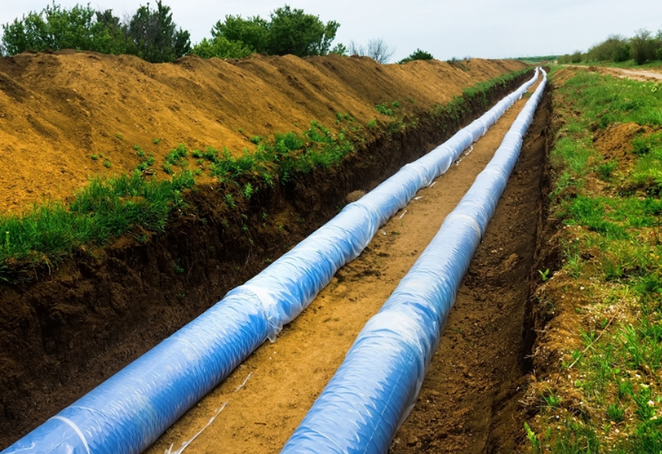
Pipe sleeves are widely used in commercial and residential applications because of their durability, customization options, and versatility.
Based on the specific applications and the type of main pipe, pipe sleeves are available in a wide range of materials. Depending on site conditions and requirements, pipe sleeves may be made from polyethylene, carbon steel, PVC, copper, nickel, HDPE, or composite materials.
How Does It Work?
A pipe sleeve is like an external covering that you place over the original pipe. Pipe sleeves cover the entire main pipe, adding an extra layer of protection to it. For a pipe sleeve to give maximum protection, you need to pick its material carefully.
If your pipe is made from iron or steel and exposed to a corrosive environment, a non-metallic sleeve (PVC or polyethylene) offers better protection.
If the applications require more load-bearing capacity and heavy use of the pipes, you can pick metallic pipe sleeves made from cast iron, carbon steel, stainless steel, etc.
The Purpose of a Pipe Sleeve
The following are a few points that clearly illustrate the key role pipe sleeves can play in supporting all kinds of piping systems.
- Pipe Protection
The main purpose of pipe sleeves is to provide protection to pipes that are exposed, underground, or pass through walls. This innovative solution ensures there is no external damage or the risks of corrosion or leakage, which ensures longevity and saves you a lot of time and trouble.
- Facilitating Pipe Expansion and Contraction
As temperature changes, pipes react to it by expanding or contracting. Though the change is not visible, it can increase internal or external pressure on the pipe significantly, which can lead to cracking or breakage.
With pipe sleeves, pipes get some room for expanding or contracting, which prevents damage to the pipes and the surrounding structures.
- Preventing Leaks
A pipe sleeve also prevents leaks. It creates a protective barrier around the pipe, which ensures that even if the pipe cracks, its contents never reach the surrounding structures.
- Elimination of Vibration Transmission
If you are dealing with a vibrating piping system, you might already know how, over time, the vibrations transmit to the building structure, causing damage and a lot of noise pollution.
A pipe sleeve provides a cushion between the pipe and the surroundings. It absorbs most of the vibrations, thus eliminating structural damage risks and noise pollution.
- Corrosion Protection
Pipe sleeves are also used in applications where the pipe system is prone to corrosion. This solution not only prevents corrosion but also stops it in its tracks and reduces its spread to the other parts of the pipes.
- Abrasion Prevention
Pipes that are not protected by sleeves can easily be affected by external impacts, wind, rain, snow, ice, or water. The pipes get weaker and weaker over time, and eventually the entire system collapses, causing you a lot of trouble.
Pipe sleeves prevent abrasion even in fully exposed pipes, making them a cost-effective solution.
Common Pipe Sleeve Materials
When choosing a pipe sleeve, you need to carefully consider the materials these are made from. The choice of pipe sleeve material depends on the material of the pipe and the surrounding conditions.
Typically, pipe sleeves are available in the following materials.
1. Polyethylene
At the top of our list are the polyethylene sleeves that are known for their ease of use, flexibility, and strength. These heavy-duty pipe sleeves provide maximum protection against impacts and constant UV exposure, which makes them perfect for use over pipes that are fitted outside in the open.
Some manufacturers also offer a printing option over these sleeves, which allows you to display your logos and enhance brand visibility.
These sleeves are a perfect option for metal pipes, PVC pipes, PP-R pipes, and extensive underground cable networks that are exposed to corrosive conditions, toxic chemicals, electrochemical corrosion, and physical impacts.
2. Carbon Steel
If you are looking for pipe sleeves that give you reliability, greater pipe protection, strong construction, customization, and affordability all in one, then you need to go for carbon steel pipe sleeves.
These sleeves are known for their impressive impact and corrosion resistance, and greater structural integrity. Carbon steel pipe sleeves can withstand heavy loads, frequent pipe movement, and wear and tear for years, making them a more practical and economical option.
3. Stainless Steel
These metallic pipe sleeves are ideal in applications where you need greater durability and corrosion resistance. These sleeves are designed to withstand heavy loads and harsh weather conditions.
The use of stainless-steel pipe sleeves also adds an aesthetic element to your exposed piping systems due to their sleek appearance. These pipe sleeves ensure a longer service life of your pipe systems with their superior durability and the ability to handle challenging external conditions or greater internal pressures or loads.
4. PVC
PVC pipe sleeves are another durable, lightweight, and strong pipe covering solution that gives you both versatility and cost-effectiveness. These pipe sleeves are extensively used to protect underground or exposed wires, cables, and PVC pipes.
PVC sleeves offer strong chemical resistance and easier installation, making them a perfect fit for both residential and industrial settings.
5. Rubber
Rubber pipe sleeves are extensively used in applications where there is a lot of pipe movement or mechanical strain. These pipe sleeves give better sealing and movement absorption, which makes them perfect in industrial settings.
These sleeves can adapt to diverse pipe geometries, and they are very easy to install or adjust. The rubber is a very resilient material, and that is why pipe sleeves made from this material give you greater impact resistance and durability.
6. Composite
There are some cases where industrial or commercial piping systems have to face a very specific set of conditions or challenges. The space where you use the pipes may be exposed to heavy loads, greater footfall, chemicals, moisture, or a myriad of other elements.
To protect pipes in this case, you need to devise customized solutions, and this is where composite pipe sleeves come into the picture. These sleeves are made from fiberglass or carbon-fiber materials, offering exceptional strength, durability, and design flexibility.
Composite pipe sleeves offer greater impact resistance and adaptability, which ensures your pipe system’s integrity is never affected.
Benefits of Installing Pipe Sleeves
The following are some major benefits of installing pipe sleeves in commercial and residential settings.
- These pipes prevent direct contact of metal pipes with soil or moisture, which eliminates the risks of corrosion.
- Pipe sleeves protect the pipes against minor impacts or movement.
- Some pipe sleeves, like the ones made from polyethylene, are resistant to chemicals.
- Pipe sleeves also eliminate the risks of electrochemical corrosion by preventing their contact with stray currents or other electrical systems.
- These pipe protection solutions are very affordable and easy to install.
- The use of pipe sleeves reduces pipe maintenance and replacement needs.
- PVC or HDPE pipe sleeves can also be used for securing wiring or extensive cable networks.
Conclusion
Pipe sleeves can prove to be a really wise investment, saving you a lot of time and trouble in the long run. These protective covers keep your pipes shielded from impacts, harsh weather, rust, and general wear and tear.
Failing to use these pipes can lead to safety hazards and even the failure of your entire plumbing, electrical, telecommunications, or water supply systems. This is why you need to consider installing pipe sleeves if you are building new piping systems in your property to maintain their integrity and functionality for years to come.
Visit RAK PetroPack to order heavy-duty, UV-resistant, and customized polyethylene pipe sleeves that keep PVC pipes, PP-R pipes, and underground cables secure for years to come.