How Packaging Preserves Food Shelf Life and Quality

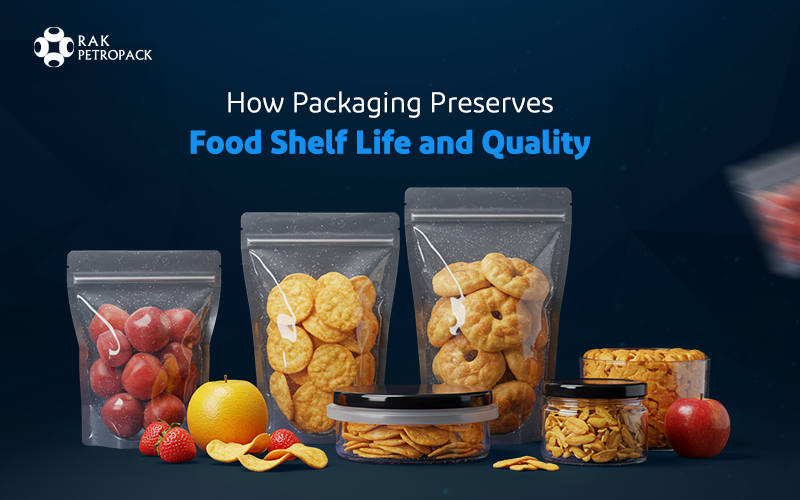
How Packaging Preserves Food Shelf Life and Quality
November 18, 2025
Every consumer expects that the food they order has a long shelf life and unparalleled freshness. To meet these expectations, manufacturers need to ensure the food items they prepare are packaged in a foolproof and sustainable manner.
Food packaging solutions ensure the products you offer retain freshness, guarantee food safety, and provide a longer shelf life—all in one. Without proper packaging, the food items become prone to spillage and contamination, which can destroy your credibility in the industry and lead to huge financial losses.
But how exactly does packaging protect and preserve food shelf life and quality? This is the question that this blog tries to answer. So, keep on reading till the end to learn why you need to invest in the best quality packaging solutions for your food products.
- The Science Behind Packaging and Food Preservation
- The Role of Packaging in Preserving Food Quality and Shelf Life
- Barrier Protection
- Temperature Control
- Aseptic Packaging
- Microbial Protection
- Vacuum Packaging
- Modified Atmosphere Packaging (MAP)
- Smart and Active Packaging
- Benefits of Packaging for Food Preservation
The Science Behind Packaging and Food Preservation
There are many factors that can influence the quality, freshness, and shelf life of food products. The top of the list is the temperature, moisture levels, oxygen interactions, and light exposure.
The purpose of packaging products is to minimize the contact of food with these elements. High-quality packaging products keep moisture out, which preserves the integrity of dried food products like cereals, grains, etc., by preventing microbial growth.
Some packaging solutions also allow controlled respiration, which is essential for maintaining the freshness and shelf life of fruits and vegetables.
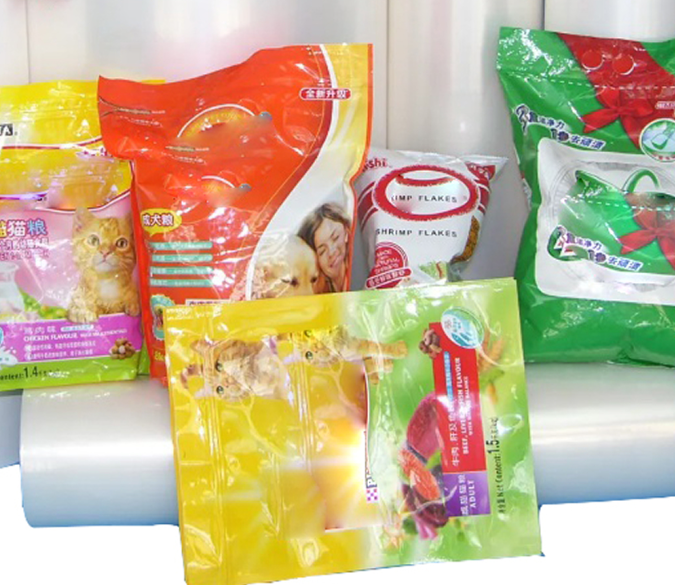
The presence of oxygen triggers oxidation reactions, which accelerate the spoilage of food products and promote rancidity. To solve this issue, there are packaging solutions available that create an oxygen-free environment.
Exposure to light leads to the degradation of vitamins and other nutrients, altering the food’s color, flavor, and texture.
To protect light-sensitive foods like milk or yoghurt, you can use opaque or light-filtering packaging. Packaging can thus ensure every food product that you manufacture or distribute stays safe and fresh during every step of the supply chain.
The Role of Packaging in Preserving Food Quality and Shelf Life
The following is how packaging can preserve the quality and shelf life of food products.
1. Barrier Protection
As we discussed above, the main factors that lead to the spoilage of food are light, moisture, and oxygen interactions. Packaging products like lamination films act as an effective barrier to these external factors.
Quality packaging materials minimize the exposure to these elements, which prevents oxidation of fats or oils, promotes healthy moisture levels, and reduces nutrient degradation.
All of these factors combine to enhance the shelf life of the food while also maintaining its quality and freshness at the same time.
2. Temperature Control
High-quality packaging provides greater insulation against temperature changes, allowing the food products to stay safe even in long-distance transportation.
There are some food products that need to be maintained at a low temperature, while there are others that require slightly higher temperatures and heat retention to stay safe.
Packaging products like collation shrink films ensure perishable food products such as fresh produce, dairy items, seafood, and meats are kept at the right temperatures, preserving their flavor, taste, and texture for longer.
3. Aseptic Packaging
This is another innovative packaging approach where the products and packaging are first sterilized and then combined in a pristine environment. This method preserves the nutrients and promotes highly shelf-stable storage of the food products.
This method is used to store soup cartons, UHT milk, and juice boxes.
4. Microbial Protection
Packaging solutions like liner bags or general-purpose bags, lamination films, and shrink hood films create a sterile environment that reduces the risk of spoilage and the growth of pathogenic microorganisms.
Quality packaging products are often coated with antimicrobial coatings that not only destroy the existing microbes but also prevent them from spreading. This way of packaging ensures your food stays safe to consume for a long time.
5. Vacuum Packaging
This is another great way that packaging ensures no bacteria can grow inside the package. Products like stretch hood films minimize oxidation and slow down microbial growth, which maintains the food’s texture and flavor for a long time. Vacuum packaging is used to store processed foods, seafood, and deli meats.
6. Modified Atmosphere Packaging (MAP)
This is an advanced and highly effective packaging method that involves replacing the air inside the packaging with a mixture of gases like CO₂, O₂, and N₂ that slows spoilage and enhances the shelf life of the food products.
The MAP technique reduces oxygen levels inside the package, which inhibits the growth of aerobic bacteria. It also increases carbon dioxide levels, which eliminates microbes from the food products. This method is widely used for packaging fresh produce, cheese, meats, and baked goods.
7. Smart and Active Packaging
Smart and active packaging are modern, innovative, and popular packaging solutions that are increasingly being used. Smart packaging uses sensors, RFID tags, and QR codes to monitor food products and provide real-time information about their quality to consumers, retailers, and processors.
On the other hand, the active packaging involves oxygen scavengers, moisture absorbers, and antimicrobial agents that enhance product quality and shelf life by interacting with it.
Benefits of Packaging for Food Preservation
The following are some key benefits of packaging for food quality and shelf-life preservation that you must know.
- Packaging protects the food from the harmful effects of moisture, light, and oxygen, which preserves its flavor and enhances shelf life.
- Quality packaging leads to the preservation of the texture, aroma, and nutritional value of the food.
- Packaging prevents the interaction of bacteria, dust, and pests with the food.
- Good packaging prevents microbial growth and spoilage by removing air from inside.
- By extending shelf life and maintaining high food quality, packaging leads to less food wastage.
- Quality packaging ensures better food storage and transportation.
Conclusion
Food packaging is not just about aesthetics and presentation; it is a vital tool for ensuring food safety, extending shelf life, and maintaining quality and freshness.
Quality food packaging keeps moisture and dust at bay and prevents the growth of bacteria. It also minimizes the interaction between UV and regular sunlight and the food, which ensures every nutrient stays intact.
This is exactly why investing in quality packaging products should be at the top of your list if you want to provide your consumers with the highest quality and fresh food items every single time.
You can visit us at Petropack if you are looking for the top-quality, highly customized, and foolproof food and beverage packing solutions to make sure you deliver nothing but the best to your target consumers every single time.