Warning Tape: Types, Uses, and Best Practices for Safety

Warning Tape: Types, Uses, and Best Practices for Safety
April 17, 2026
A
warning tape refers to an effective solution that various industries or public
spaces use to highlight hazards. This low-cost warning sign proves vital to
ensure safety in risky situations. Its use promotes regulatory compliance as
well as operational efficiency in all settings.
Research shows that workplaces that
incorporate warning tapes face up to 30% fewer accidents in comparison with
similar workplaces without any warning signs. OSHA consistently emphasizes
proper hazard identification and visual safety measures as key contributors to
accident prevention on construction sites.
This
blog covers the ins and outs of a warning tape in detail. It lists different
types of these tapes along with the uses and best practices to ensure maximum
safety. So without any further ado, let’s get right to it.
● What are Warning
Tapes?
● Types of Warning
Tapes
● Uses of Warning
Tapes Across Different Sectors
● Best Practices to
Use Warning Tapes More Effectively
What are Warning Tapes?
Warning
tapes are visual hazard communication tools that alert individuals to unsafe
conditions. These tapes offer bright colors and bold patterns that facilitate
visibility even in low light.
According
to an industry report, the global warning tape market was valued at
approximately USD 300 million in 2023, with projections to expand to around USD
460 million by the year 2032.
These
tapes are suitable for both temporary and semi-permanent safety areas due to
their quick installation and removal features.
Most
warning tapes consist of nylon, PVC, or polyethylene materials that can resist
tough conditions. These tapes visually alert people to possible threats and
deter them from accessing restricted areas that contain serious hazards.
Types of Warning Tapes
Warning
tapes come in different types that depend on their intended purpose. The
following section lists some common warning tape variations that we come across
daily.
1.
Danger Tape
If
you notice a warning tape in a red background with black or white text, it is a
danger tape. This tape indicates a high level of risk and potential danger to
life. This tape makes sure you do not enter an area with life-threatening
risks.
Danger
tape finds uses in electrical installations and demolition zones. Some chemical
handling areas or confined spaces also use this tape to restrict access.
2.
Caution Tape
A
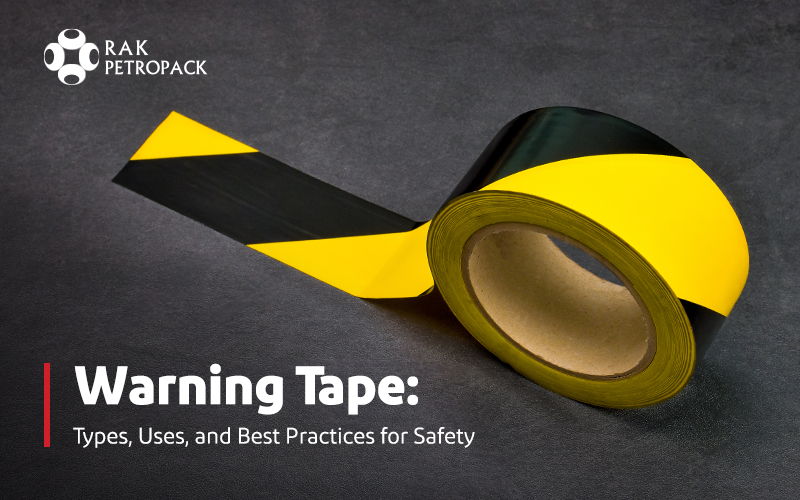
caution tape comes in a yellow background with black text. This tape shows a
place that contains potential or moderate hazards. This tape alerts people to
conditions that require awareness to protect against minor injuries or health
risks. You see this tape on slippery floors or near maintenance work sites. It
also finds uses in temporary walk-through restrictions as well as minor
construction zones.
Uses of Warning Tapes Across Different Sectors
Below
are some common uses of warning tapes across different areas.
● Public &
Municipal Spaces
Warning
tapes ensure crowd control or safety in public events. This tape lays out
boundaries or control lines to mark the locations of emergency exits. This tape
allows for quick installation and modification, which results in safe event
management.
● Roadwork and
Traffic Control
Authorities
also use this tape near traffic signals and on construction roads. This not
only prevents accidents but also preserves the traffic flow. These tapes alert
drivers and direct vehicles to alternative routes.
● Healthcare Facilities
Hospitals
use warning tape to highlight infection control zones. This tape also keeps
people away from hazardous equipment. Temporary closures in healthcare centers
also utilize this tape.
● Construction
Areas
This
tape alerts employees as well as the general public to potential risks in
construction sites. This sector uses warning tapes to mark open trenches and
bulky materials. It also helps keep people away from unfinished buildings or
other dangerous objects in the vicinity.
● Industrial
Facilities
Accidents
are common in industrial spaces. These places have moving machinery and active
employees who come in contact with each other often. Warning tapes mark
off-limits areas and pinpoint safe pathways for employees. These tapes also
highlight PPE areas or chemical storage hazards, which guarantee employee
safety.
● Warehousing &
Logistics
Warehouses
use warning tapes to ensure better traffic management and loading dock safety.
It also helps with storage classification in such facilities, which leads to
greater operational efficiency.
● Crime Scenes
Crime
scenes use this tape to secure evidence and control access to the area. The
tape establishes a clear limit that prevents the crime scene from being
tampered with. Warning tapes permit investigations to continue without
interruptions.
Best Practices to Use Warning Tapes More Effectively
To
make sure you get the best performance out of your warning tape, you need to
learn the right ways to use it. This section points out some best practices
that you can follow to ensure maximum safety from warning tapes.
●
Align the severity of the hazard with the right
colors and phrases to guarantee effectiveness.
●
Use internationally recognized color standards,
as they ensure instant recognition and prevent misinterpretation.
●
Warning tape should be placed at appropriate visibility
levels depending on the hazard, including eye level, ground level, or below
surface areas.
●
Regularly inspect the tape for signs of wear or
reduced visibility.
●
Go with high-contrast warning tapes for maximum visibility. Use special tapes for darker locations.
●
Make sure the material of the tape has high
weather resistance.
●
Make sure to use multiple layers for large areas
and eliminate obstructions, if any.
●
Train your employees about different warning tape
colors and codes to ensure compliance.
●
Use fixed structures like posts or cones to
firmly secure the tape in its place.
●
Use caution tapes with powerful adhesives in
high-traffic areas or places with heavy machinery.
Conclusion
Warning
tapes are crucial for safety in diverse workplaces. They eliminate hazards in
offices and construction sites. Industrial spaces and countless other areas
also use these tapes to protect employees.
It
is important to know the different kinds of caution tapes along with their
right uses if you wish to improve safety and show compliance. So make sure to
add appropriate warning tapes to your operations to guarantee safety as well as
a smooth workplace flow.
Visit
us at RAK Petropack today to explore our wide range of
premium industrial packaging solutions to get the best value for your money.
FAQs
What is the best way to select a warning tape?
You
need to look at the kind of danger your area entails. Other factors include the
outdoor/indoor placement, as well as the level of visibility you require.
What is the purpose of danger and caution tapes?
Caution
tapes urge you to proceed with care. Areas with low risk use these tapes.
However, if you see a place with a danger tape, it means you need to stop and
change your course.
Which materials make up warning tapes?
Vinyl
or polyethylene commonly serves as a raw material for these tapes. You can also
find propylene warning tapes in the market.
Can you customize a warning tape?
You
can customize these tapes in a variety of colors and sizes. This helps you
display custom regulatory messages or brands.
What does a yellow and black warning tape represent?
This
warning tape represents caution. It prevents unauthorized access to risky
areas.
What is a detectable warning tape?
This
is a tape that most construction zones use to alert excavation crews about underground
hazards like cables or pipelines.